
A Historic Artifact
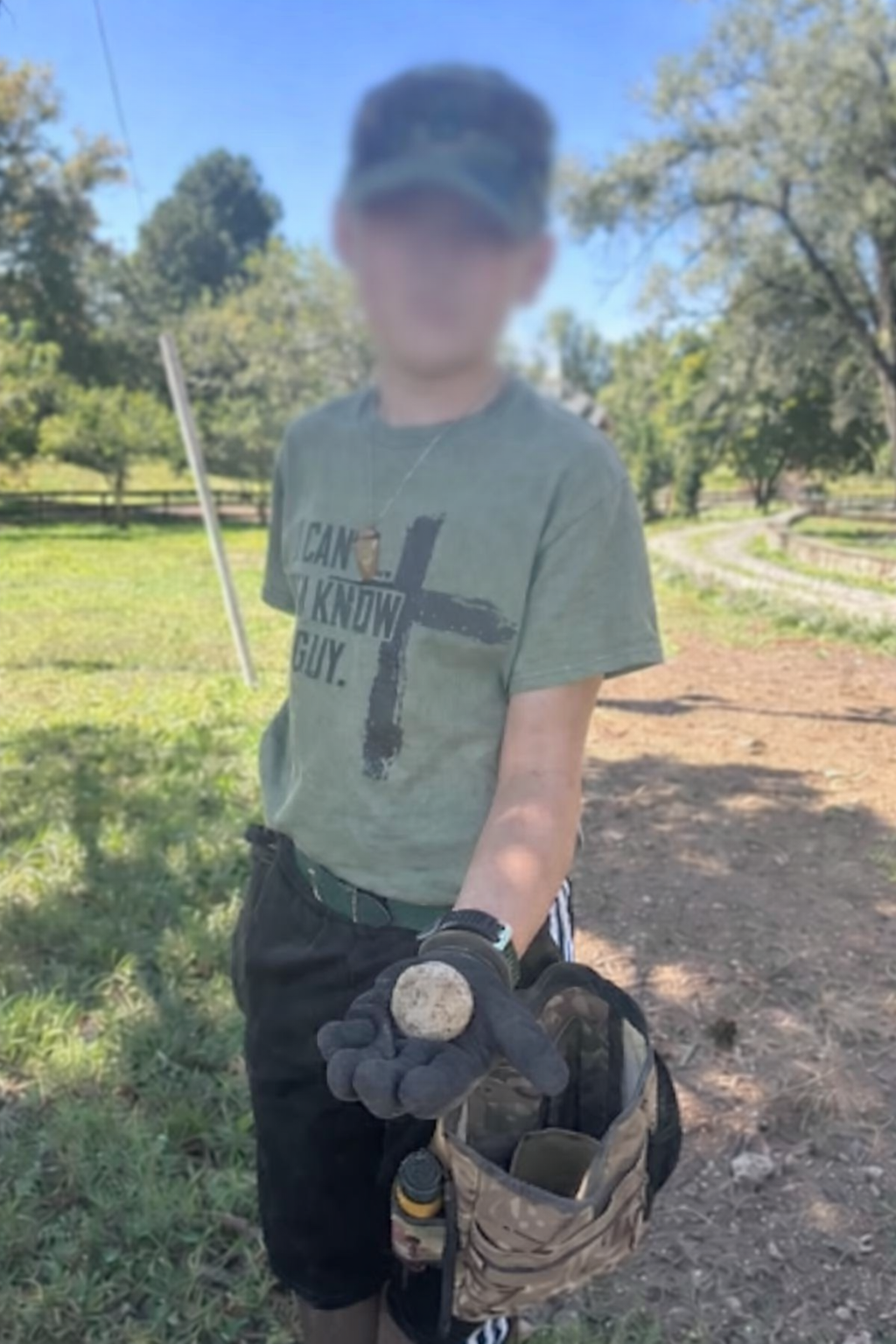
At Shiloh Manor Farms, the past isn’t just something we read about; it’s woven into the very fabric of the land. Recently, a 13-year-old aspiring archaeologist metal detecting on the farm made a remarkable discovery: a spent round of grape shot, a type of ammunition used in cannons during the Civil War.
Grape shot consisted of a canvas bag of 12–15 approximately 2-inch-diameter balls, wrapped with twine and resembling a cluster of grapes. Grape shot was a terrifying and indiscriminate weapon, essentially turning a cannon into a giant shotgun that was lethal over a large fraction of a mile. Detected along the bank of Bren Creek that bisects Shiloh Manor Farm, the significance of the spent round buried deep in the soil tells an untold story.
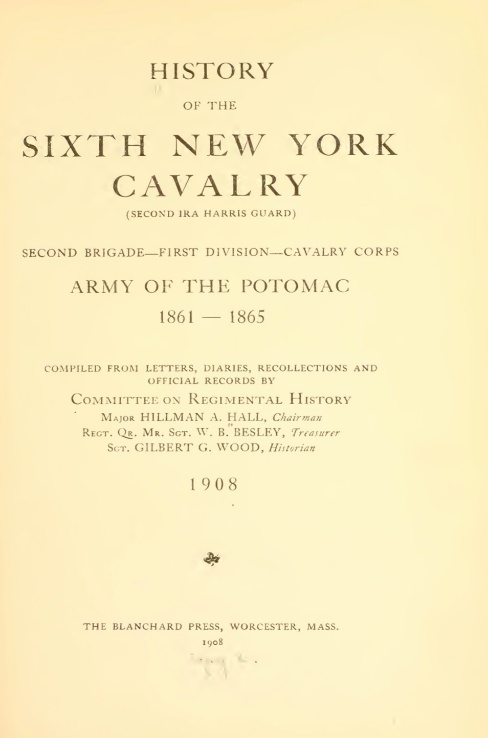
On October 16, 1863, troops from the 35th Battalion of Virginia Cavalry, operating under orders from Stonewall Jackson’s quartermaster, traveled to Lovettsville to pick up beef cattle. Union soldiers with the 6th New York Cavalry—stationed in Hillsboro—marched up Berlin Turnpike to disrupt the Confederate operation. There were skirmishes along Berlin Turnpike at Wheatland Farm and Glenmore Farm, near modern-day Morrisonville, before the Confederate forces were ultimately overrun and dispersed.
Glenmore Farm: A Skirmish Remembered
 Confederate Lt. Col. Elijah V. White’s contemporaneous account of the action on Berlin Turnpike and Glenmore Farm, reflected in battalion records and later compilations drawn from participant interviews, reported that Confederate troops used natural cover—including fences, structures, and sharpshooters on haystacks—to repel a numerically superior Union force (estimated at over 100), capturing some prisoners and equipment while minimizing their own casualties, framing the action as a bold partisan effort.
Not surprisingly, Union official reports tell a different story, stating that Union troopers charged Confederate positions, which were dispersed after a brief resistance, killing one, wounding two, and capturing 21 Confederate troops.
Local eyewitness accounts from Loudoun diaries and farm ledgers, preserved at the Balch Library, predominantly pro-Confederate in tone, depict White’s “Comanches” as valiant defenders routing federal “plunderers” at Glenmore Farm, with specific mentions of gunfire exchanges and pursuits through fields.
Valiant heroes or cowardly farm boys—we can all make our own decision. But all contemporaneous reports of the skirmish along Berlin Turnpike and Glenmore Farm are consistent in one critical respect: only small arms were reported. This spent grape shot ball found at Shiloh, about 1,000 feet from Berlin Turnpike (and about the same distance from the Shiloh residence), is evidence of an untold part of the story. There must have been Union artillery employed to disperse the Confederate resistance along Berlin Turnpike. Perhaps Union dispatches did not report the use of artillery because commanders wanted to highlight the lack of Confederate resistance. Maybe Confederate survivors did not want to telegraph to other partisans that they might face the devastating use of Union artillery in small-scale skirmishes.
In history, the pieces do not always fit neatly together. But what we do know for certain is that Berlin Turnpike near Shiloh Manor Farm was hotly contested territory during the Civil War. The Union Army had artillery in the area, marks on the recovered ball suggest Union origin, and the recovered round of grapeshot was indeed fired and came to rest about 1,000 feet off Berlin Turnpike. This simple discovery changes the history of a bloody encounter on this land and is a testimony to the mysteries and answers sometimes hiding beneath our feet.